
Occupational therapy plays a pivotal role in helping individuals regain or develop the essential abilities needed for everyday life, often referred to as Daily Living Skills. These fundamental tasks allow us to live independently and engage fully with our world. At Thrive Rehab, our expert therapists specialize in tailored techniques designed to enhance these critical skills, empowering patients of all ages to achieve greater autonomy and confidence.

Mastering Everyday Tasks: ADLs and IADLs
Daily Living Skills (DLS) encompass a wide range of activities, from basic self-care to more complex household management. Basic Activities of Daily Living (ADLs) include fundamental tasks like bathing, dressing, eating, grooming, and toileting. Instrumental Activities of Daily Living (IADLs) extend to tasks such as cooking, managing finances, using transportation, and shopping. Occupational therapists work collaboratively with individuals to identify specific challenges in these areas, whether due to injury, illness, developmental delays, or aging. They then develop personalized strategies, which might include adaptive techniques, specialized equipment, or environmental modifications, to make these activities more accessible and manageable.
Enhancing Fine Motor Control for Greater Independence
Many daily tasks, from buttoning a shirt to writing a grocery list, rely heavily on fine motor skills – the coordinated use of small muscles in the hands and fingers. Difficulties in this area can significantly impact independence and quality of life. Occupational therapy utilizes targeted interventions to improve dexterity, grip strength, and hand-eye coordination. Therapists guide patients through exercises and activities designed to rebuild muscle strength, improve precision, and enhance sensory processing in the hands. These techniques are vital for performing detailed tasks, ensuring individuals can confidently engage in everything from personal care to hobbies.
Cognitive Strategies for Memory and Planning
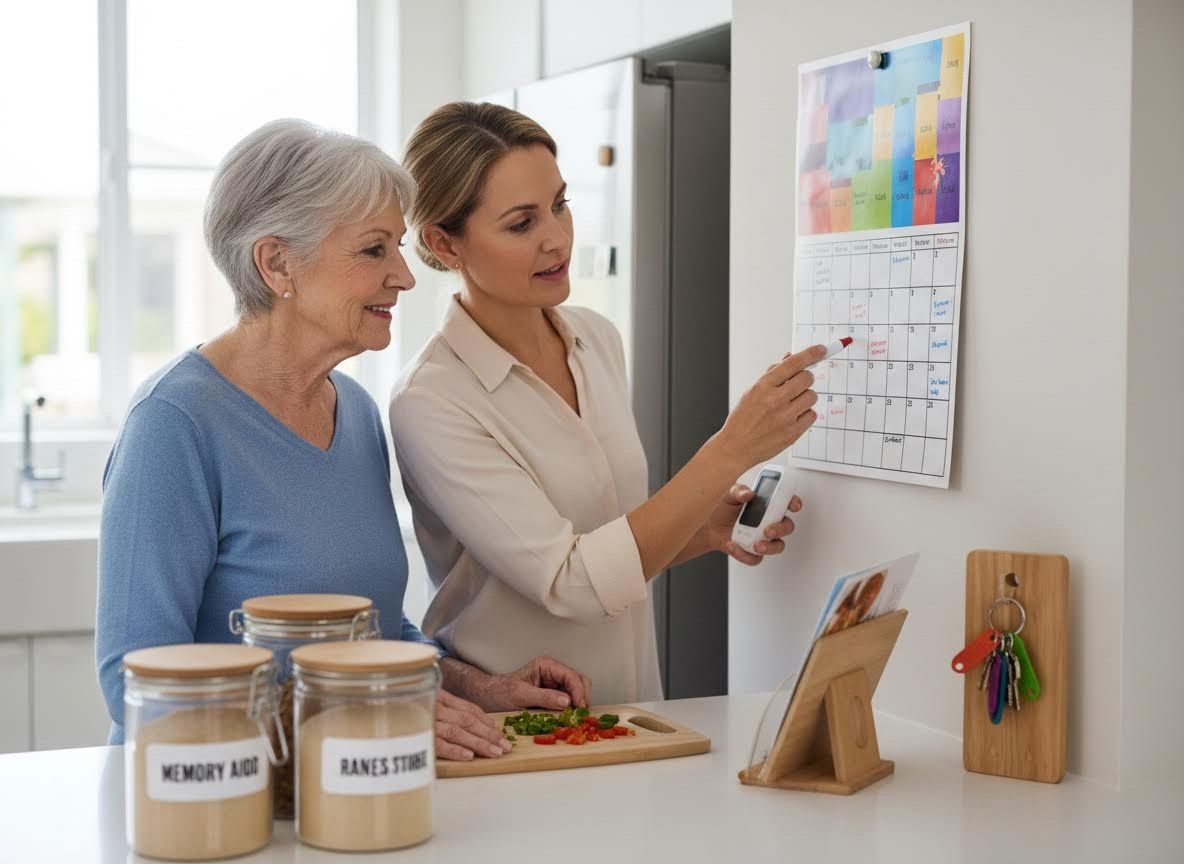
Beyond physical abilities, cognitive functions are integral to successful daily living. Memory, attention, problem-solving, and organizational skills are constantly at play when planning a meal, following instructions, or managing appointments. For individuals facing cognitive challenges due to neurological conditions or age-related changes, occupational therapists employ specialized cognitive therapy and memory training. They introduce practical strategies, memory aids, and adaptive routines to help patients compensate for difficulties, improve executive function, and maintain a structured approach to their daily responsibilities, thereby reducing stress and enhancing independence.
Empowering Pediatric Independence from the Start
For children, developing daily living skills is a critical part of growing up and fostering independence. Pediatric occupational therapists address developmental delays, neurological disorders, and other conditions that may impact a child's ability to perform age-appropriate tasks. This can include anything from feeding and dressing to developing fine motor skills crucial for school readiness, such as handwriting. Therapists work with children and their families to implement playful yet purposeful interventions that build foundational skills, helping children master self-care tasks, improve coordination, and integrate successfully into their home and community environments.
Regaining or developing proficiency in daily living skills is a journey that transforms independence and enriches lives. The comprehensive, individualized approach of occupational therapy, focusing on both physical and cognitive aspects, empowers individuals to overcome challenges and thrive in their everyday environments. If you or a loved one are seeking to enhance independence and quality of life through tailored daily living skills techniques, we invite you to explore the diverse occupational therapy services offered at Thrive Rehab.