
Sensory play is far more than just fun and games; it's a vital pathway for children to explore the world, develop essential skills, and build a strong foundation for future learning. At Thrive Rehab, we understand the profound impact that engaging a child's senses can have on their overall development and well-being. This blog post is dedicated to empowering parents with simple, effective sensory play ideas that can be easily integrated into daily life, supported by the principles of occupational therapy.
The Power of Sensory Play: More Than Just Fun
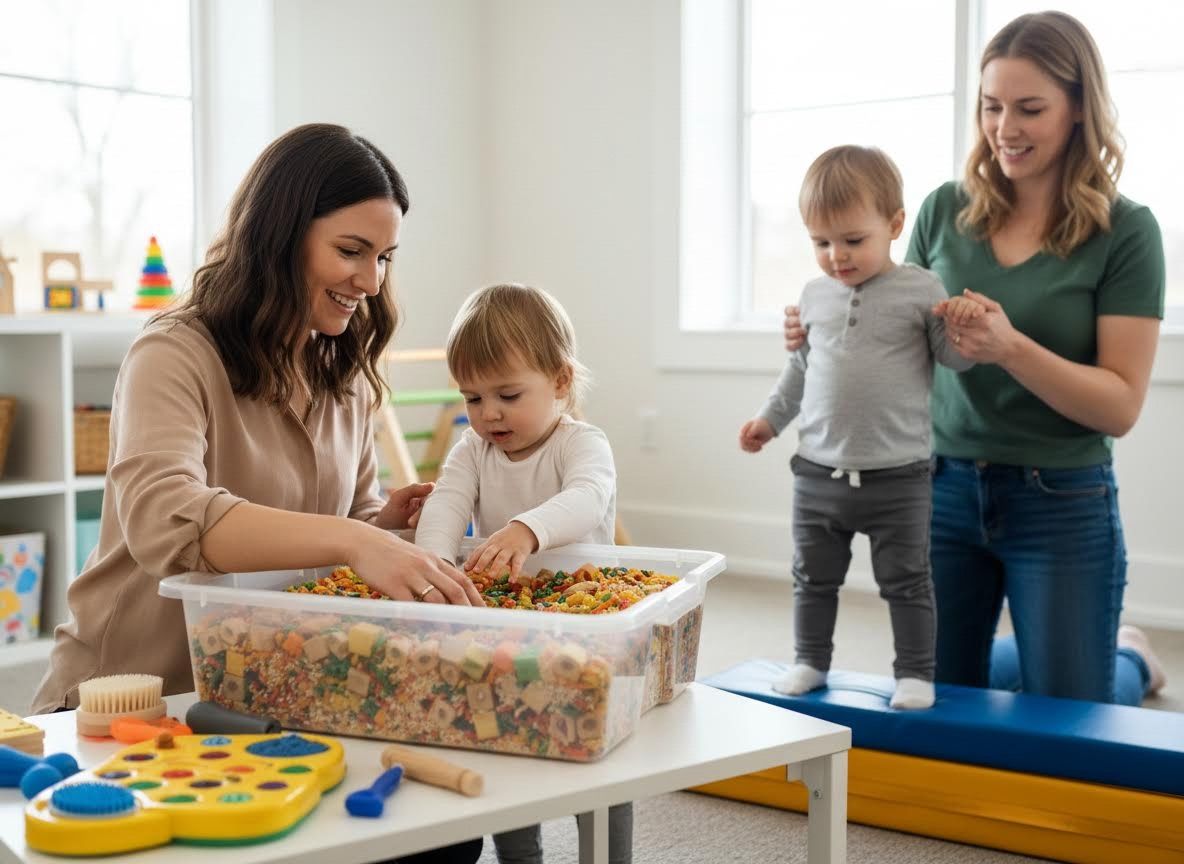
Sensory play involves any activity that stimulates a child's senses: touch, sight, sound, smell, taste, balance (vestibular), and body awareness (proprioception). Engaging these senses helps children make sense of their environment, develop crucial neural connections, and improve their ability to process sensory information. For growing children, especially those experiencing developmental delays or sensory processing differences, these experiences are fundamental. Occupational therapists utilize sensory integration techniques to help children regulate their responses to sensory input, refine motor skills, and enhance cognitive function. Through play, children learn about textures, sounds, movement, and their own bodies, which lays the groundwork for academic success, social interaction, and independence in daily activities.
Simple Sensory Activities for Everyday Exploration
You don't need elaborate setups or expensive toys to create meaningful sensory experiences. Many effective activities can be done with items you already have at home:
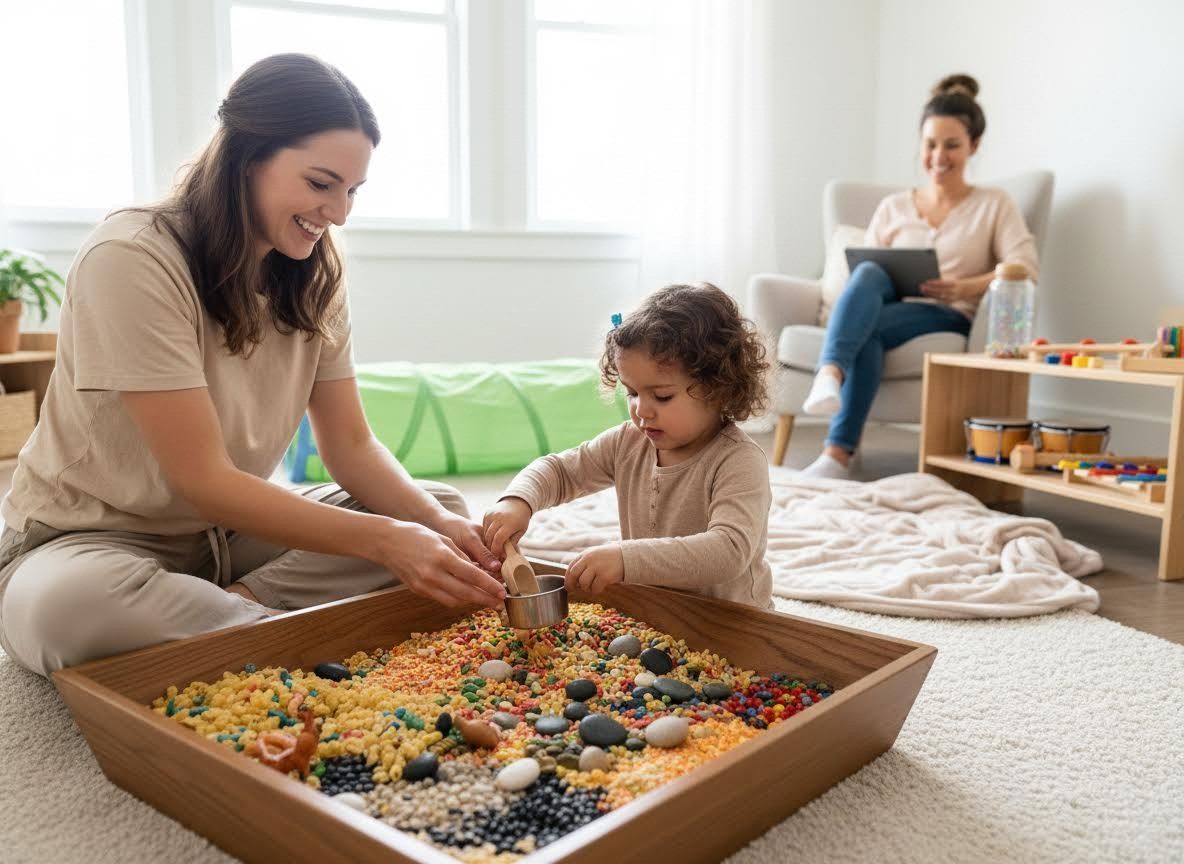
Tactile Play: Fill a bin with dried beans, rice, pasta, or sand and add small scoops, cups, and toys. This "sensory bin" encourages exploration of textures and develops fine motor skills as children grasp and manipulate objects. Playdough or clay also offers wonderful opportunities for squeezing, rolling, and shaping, strengthening hand muscles vital for writing and self-care. Water play, whether with bubbles, sponges, or floating toys, provides a soothing and engaging tactile experience.
Vestibular & Proprioceptive Play: These senses relate to balance and body awareness. Activities like crawling through tunnels, swinging (even on a blanket held by two adults), rolling down a gentle incline, or simply jumping on a mini-trampoline or bed, provide rich input. These movements help children understand where their body is in space, improve coordination, and build core strength. "Heavy work" activities like pushing a laundry basket or carrying groceries (if safe and age-appropriate) also provide beneficial proprioceptive input.
Visual & Auditory Engagement: Create a "discovery bottle" with water, glitter, beads, and small toys for visual tracking and calming. For auditory stimulation, use simple musical instruments (or make your own with pots and pans) and encourage children to identify different sounds. Reading picture books with varying textures can also engage multiple senses simultaneously.
When Occupational Therapy Can Provide Essential Support
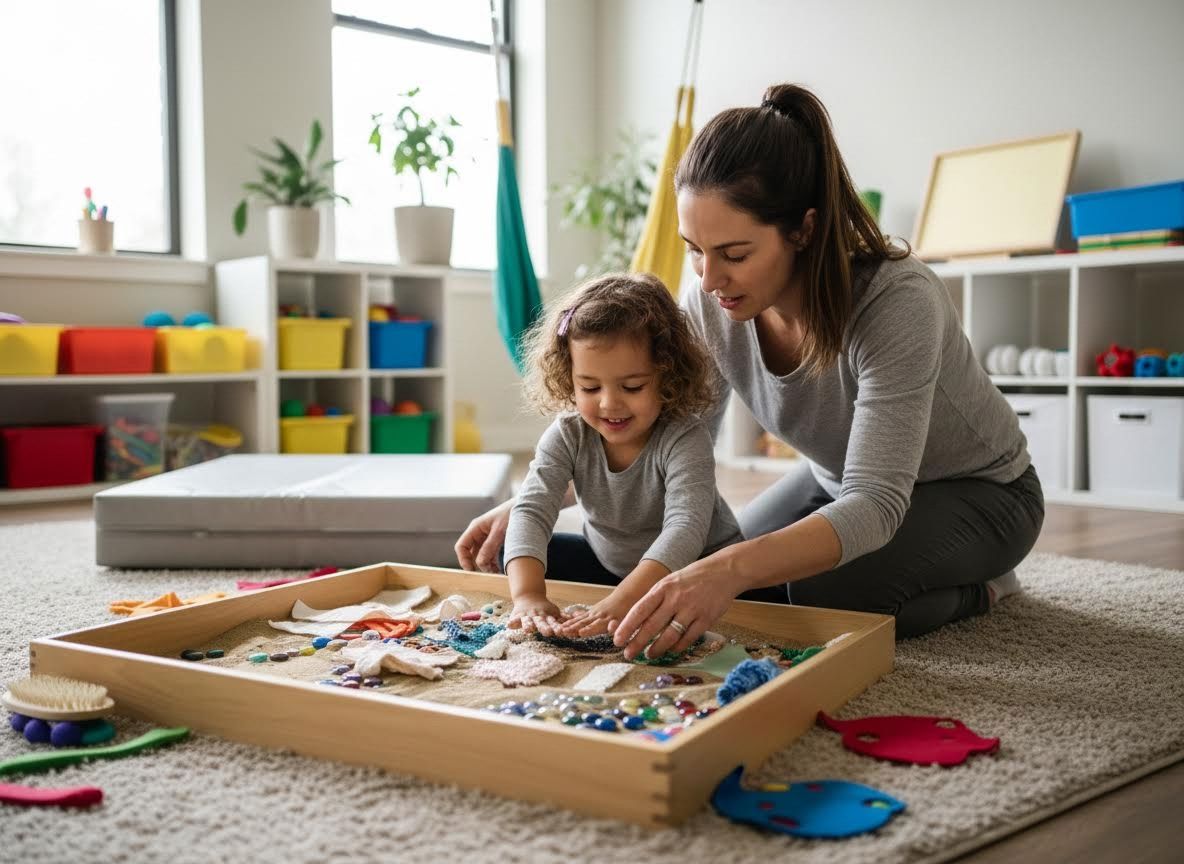
While sensory play is beneficial for all children, some may require additional guidance from an occupational therapist. If your child struggles with tasks like dressing, eating, or grooming (ADLs), has difficulty with fine motor control (e.g., holding a pencil, tying shoes), shows extreme reactions to certain sounds or textures, or has significant challenges with balance and coordination, an occupational therapist can help. Our pediatric therapists are skilled at identifying underlying sensory processing differences or developmental delays. They design individualized treatment plans that utilize therapeutic play and specific strategies to help children build foundational skills, improve self-regulation, and enhance their ability to participate fully in daily life. This professional support can be particularly valuable for children with conditions such as developmental delays, autism spectrum disorder, cerebral palsy, or other neurological disorders.
Empowering Your Child's Growth
Embracing sensory play in your child's daily routine is a beautiful way to foster their development, nurture their curiosity, and strengthen your bond. Remember that every child's sensory needs are unique, and what works wonderfully for one might not be ideal for another. If you have concerns about your child's sensory processing, developmental milestones, fine motor skills, or cognitive abilities, please know that expert help is available. Learning more about how our dedicated pediatric occupational therapists at Thrive Rehab can support your family is just a click away.