
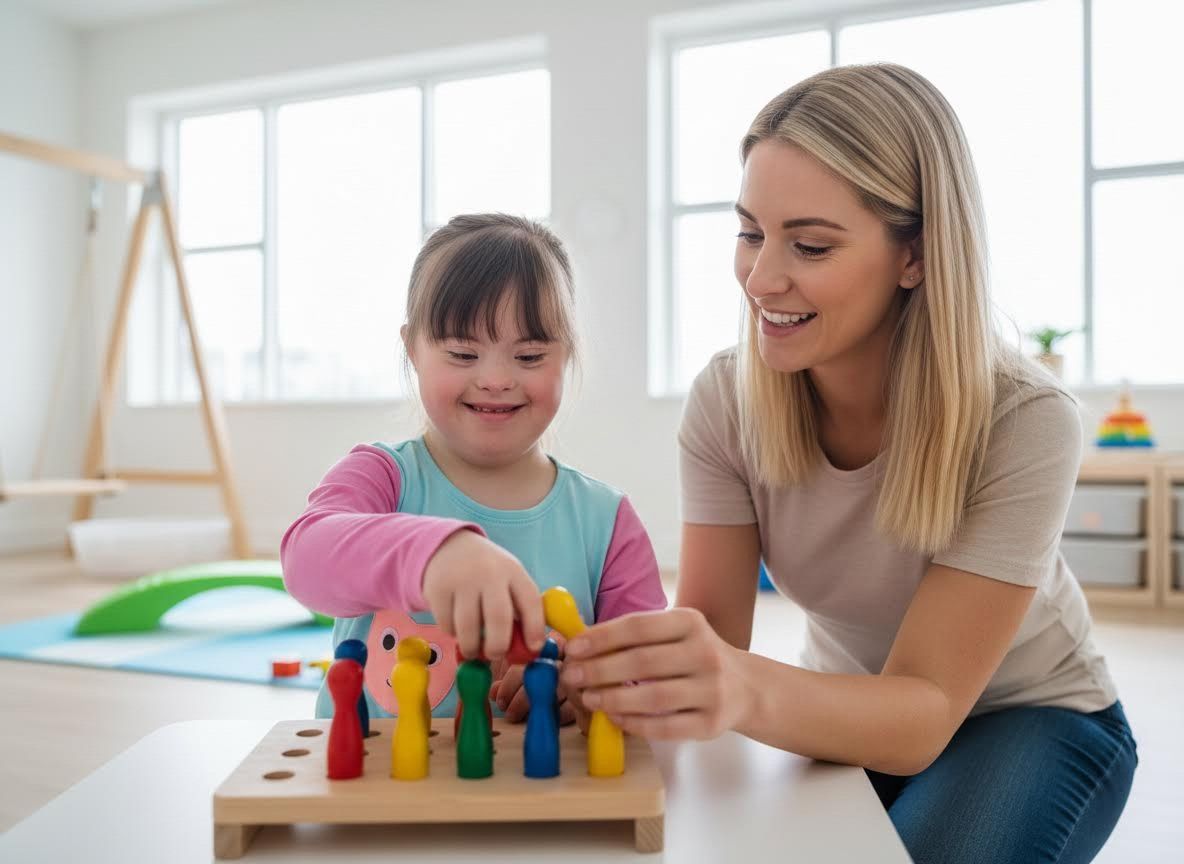
Embarking on a journey to support your child's development can be filled with questions, especially when considering specialized therapies like occupational therapy. At Thrive Rehab, we understand the unique paths children take and the profound impact tailored support can have on their growth and independence. Pediatric occupational therapy plays a crucial role in helping children develop the skills needed for daily life, learning, and play, fostering their ability to thrive in every environment. This guide will help you understand what pediatric occupational therapy entails, how it benefits children, and what you can expect along the way.

Understanding Pediatric Occupational Therapy
For children, "occupations" are the meaningful activities that fill their days: playing, learning, socializing, and performing self-care tasks. Pediatric occupational therapy (OT) is a specialized healthcare service focused on helping children master these essential skills. Therapists work to identify challenges that may hinder a child's participation in these daily activities due to physical, cognitive, sensory, or developmental difficulties. By engaging children in purposeful and often play-based activities, OT aims to improve their fine motor skills, sensory processing, cognitive abilities, and overall independence. It's about empowering children to perform their "jobs" effectively – whether that's holding a crayon, dressing themselves, or navigating a classroom.
Empowering Children Through Targeted Support
Children face a diverse range of challenges where occupational therapy can make a significant difference. From developmental delays and conditions like Down Syndrome, Cerebral Palsy, and autism spectrum disorders, to the recovery process from traumatic brain injuries, spina bifida, or torticollis, OT offers specialized interventions. Therapists collaborate with children and families to develop individualized plans that may focus on improving fine motor control for tasks like writing, using utensils, or tying shoes. They also assist with activities of daily living (ADLs) such as bathing, dressing, and feeding, and can help introduce adaptive equipment to make these tasks easier. Cognitive therapy can support memory and thinking skills, while sensory integration techniques help children process and respond to sensory information more effectively. This holistic approach helps children, from infants in early intervention programs to school-aged students, unlock their full potential.

The Collaborative Path to Progress
The occupational therapy journey is a collaborative effort, beginning with a comprehensive evaluation to understand your child's strengths and areas needing support. Based on this assessment, a personalized treatment plan is developed with clear, measurable goals. Therapy sessions are often dynamic, engaging, and play-based, designed to motivate children while addressing their specific challenges. Parents are vital partners in this process, receiving guidance and strategies to support their child's progress at home. Regular communication ensures that interventions are adjusted as needed, celebrating every milestone, big or small. The aim is not just to teach skills, but to build confidence and foster a sense of accomplishment in every child.
Navigating Your Child's Thrive Journey
Understanding your child's occupational therapy journey is the first step towards unlocking their potential and fostering their independence. Every child's path is unique, and with dedicated support, they can overcome obstacles and develop crucial life skills. At Thrive Rehab, our compassionate and expert team is committed to guiding families through this process, providing personalized care from early intervention to support for students of all ages. To learn more about how pediatric occupational therapy can support your child's unique needs, we invite you to explore the resources on our website or contact us for a consultation.